Finding wildflower seeds that thrive while resisting deer can save time and protect blooms. This guide highlights deer-resistant wildflower seeds that perform well across multiple climates and sun exposures, helping pollinators while reducing deer damage. The top picks suit different buyers: homeowners with sunny yards, urban gardeners seeking drought tolerance, and landscape planners aiming for low-maintenance, colorful meadows. Below, you’ll find a quick summary table, followed by detailed product sections to help you choose the right mix for your space.
| Product | Best For | Ground Coverage | Zone Range |
|---|---|---|---|
| Eden Brothers Deer Resistant Wildflower Mixed Seeds for Planting, 1 lb | Large sunny areas; pollinator-friendly yards | Up to 4,500 sq ft | Zones 3-10 |
| Outsidepride Deer Proof Wildflower Seed Mix – 1 lb | Deer-prone landscapes; partial shade | Varies by planting | Zones 3-10 |
| Ferry-Morse Deer Resistant Bulk Wildflower Seeds, 1 lb | Bulk projects; large meadows | Up to 5,752 sq ft | Zones 3-10 |
| SWEET YARDS Deer Resistant Wildflower Seed Mixture – Bulk 1 Pound Bag | Very large planting areas; gift-ready | Large coverage | Zones 3-10 |
| SWEET YARDS Deer Resistant Wildflower Seed Mixture – Bulk 1/4 Pound Bag | Smaller plots; classroom or gift packs | Over 400 sq ft | Zones 3-10 |
Eden Brothers Deer Resistant Wildflower Mixed Seeds for Planting, 1 lb

This 1-pound bulk mix emphasizes 100% pure, non-GMO seeds without fillers. It includes 13 easy-to-grow species such as Yarrow, Columbine, Cornflower, Foxglove, and Purple Coneflower. Best for gardeners who want a broad, colorful display that draws pollinators while imparting deer resistance. The blend covers up to 4,500 square feet and thrives in Zones 3-10 with sun to partial shade. A potential limitation is that performance can vary by soil quality and watering, so supplemental irrigation may be needed in drought-prone areas.
- Best for large sunny to partially shaded plots.
- Pollinator-friendly mix attracts bees, butterflies, and hummingbirds.
- Non-GMO seeds with no fillers.
Deer Resistant Wildflower Seeds (2oz) Hardy Garden Flowers Designed to Deter Deer & Support Pollinators
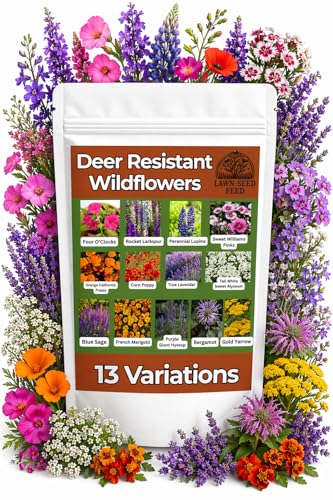
This 2-ounce resealable packet focuses on freshness and long shelf life, helping maintain viability. The mix features a diverse range of colors and textures designed to bloom across multiple periods, supporting pollinators while remaining less palatable to deer. It suits gardeners who want a vibrant display with reliable shelf stability and easy storage. If you plan a long-term meadow project, resealable packaging is a practical plus; a caution is that a small packet covers a modest area, so larger spaces require more bags.
- Best for small-to-medium garden beds seeking ongoing color.
- Resealable pouch for freshness and storage.
- Supports pollinators with a diverse color palette.
Eden Brothers Deer Resistant Wildflower Mixed Seeds for Planting, 1 lb
This 1-pound option mirrors the earlier mix with 13 species and broad ground coverage, making it a solid choice for large landscapes seeking sustained color and deer resistance. It supports pollinators and is adaptable across Zones 3-10. Choose this for expansive project needs where deer resistance is a priority and window to oversee large swaths of ground is available. A caveat is that initial germination can depend on soil contact and moisture levels.
- Best for extensive meadows and large borders.
- Attracts pollinators while being deer resistant.
- Wide zone compatibility (3–10).
Outsidepride Deer Proof Wildflower Seed Mix – 1 lb

This deer-proof mix emphasizes resilience and drought tolerance, making it suitable for partial shade and climates with variable moisture. It’s well-suited for homeowners, landscapers, and meadow enthusiasts seeking a low-maintenance, long-lasting display that discourages deer grazing. The blend supports biodiversity by attracting butterflies and bees while remaining less palatable to deer. A limitation is that performance can vary with soil type, so prospective buyers may need to tailor watering schedules to local conditions.
- Best for partial shade and drought-prone areas.
- Deer resistance paired with pollinator support.
- Low-maintenance, long-term meadow option.
Ferry-Morse Deer Resistant Bulk Wildflower Seeds, 530,000+, 1 lb
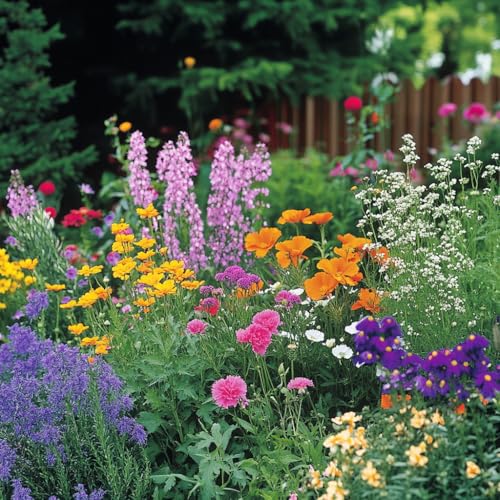
This bulk 1-pound mix covers vast areas, up to 5,752 square feet, with 530,000 to 570,000 seeds. It’s designed for large projects and provides a vibrant spring-to-fall display. The selection is aimed at deer resistance while offering a spectrum of colors. Best for property owners planning sizeable meadows or public spaces. A potential drawback is the need for even spreading to achieve uniform coverage; inconsistent sowing may create patchy blooms.
- Best for large-scale meadows and commercial projects.
- High seed count supports dense, continuous blooms.
- Requires even distribution for uniform results.
SWEET YARDS Deer Resistant Wildflower Seed Mixture – Bulk 1/4 Pound Bag

This 1/4-pound bag contains over 60,000 fresh seeds, designed for quick start and easy storage with resealable packaging. It covers roughly 400 square feet and includes a mix that resists deer while delivering a kaleidoscope of colors. It’s ideal for smaller plots, educational demonstrations, or as a starter pack for new gardeners. A caveat is that smaller quantities may require repeats to maintain continuous flowering across seasons.
- Best for small-to-medium plots or gifts.
- Open-pollinated and non-GMO with clear planting instructions.
- Great for quick-start color and deer resistance.
Deer Resistant Wildflower Seed Mixture – Bulk 1 Ounce Packet
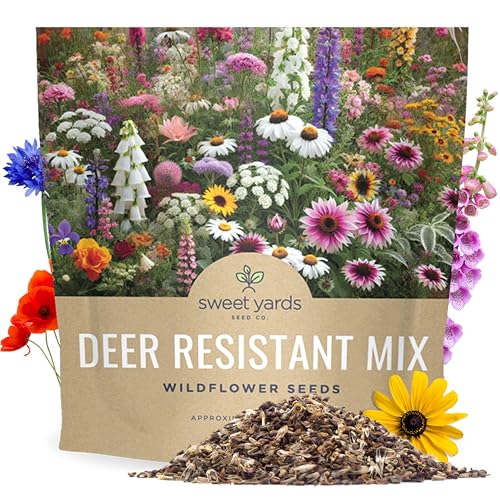
This open-pollinated, non-GMO mixture includes more than 15,000 seeds in an ounce. It’s designed for easy coverage of about 100 square feet, making it a practical option for smaller beds, school projects, or test plots. The mix emphasizes deer resistance and broad color variety to attract pollinators. A limitation is the modest area coverage per ounce, so larger areas require multiple packets or larger bags.
- Best for quick tests and small beds.
- High germination with simple planting instructions.
- Deer resistance balanced with vibrant blooms.
Buying Guide: Deer-Resistant Wildflower Seeds
Key factors to consider when choosing deer-resistant wildflower seeds include climate compatibility, sun exposure, and garden size. Select mixes labeled for Zones 3–10 if you’re in the continental United States. For sunny spaces, choose blends with sun-loving species like coneflowers and blanket flowers; for partial shade, look for varieties that tolerate lower light levels. Consider ground coverage estimates to plan borders, meadows, or large plots. Non-GMO and open-pollinated seeds offer greater genetic diversity and seed-saving potential. If you have deer pressure, you may prefer deer-proof or deer-resistant mixes that emphasize sturdy-yielding perennials alongside annuals. Storage matters too; resealable packaging helps maintain germination rates over time. Finally, check pollinator appeal to ensure you support bees, butterflies, and hummingbirds throughout the season.
Frequently Asked Questions
- What makes wildflower seeds deer resistant?
Deer resistance typically means the plants are less preferred by deer due to taste, texture, or aroma. Many mixes blend species that are less appealing to deer while still attracting pollinators.
- Which seed mix covers the largest area?
Bulk 1-pound options commonly cover the most ground, with coverage ranging from about 1,600 to 4,500+ square feet depending on the blend and planting method.
- Are these seeds suitable for beginners?
Yes. Most blends come with simple planting guidelines and are designed for easy germination in Zones 3–10, though success depends on soil and moisture conditions.
- Can I mix these seeds with existing lawns or perennials?
Yes, but ensure you adjust watering and mowing schedules to accommodate new wildflower growth and to avoid overwhelming established plants.
- Do deer-resistant mixes attract pollinators?
Many do. The selections often include nectar-rich flowers that attract bees, butterflies, and hummingbirds, supporting local pollinator networks.
- How should I store leftover seeds?
Use resealable packaging, keep in a cool, dry place, and label with planting date to maximize germination rates for future seasons.