Discover the best thyme seed varieties to cultivate flavorful, aromatic leaves for cooking, teas, and herb gardens. This guide highlights reliable picks, germination insights, and growing tips to help you choose seeds that thrive in American gardens and containers alike.
| Product | Brand | Why It Stands Out |
|---|---|---|
| KVITER 500 Lemon Thyme Seeds | KVITER | Bright lemon flavor, fast germination, versatile as ground cover or herb |
| Back to The Roots English Thyme Seeds | Back to the Roots | Organic, non-GMO, fragrant English thyme for culinary use |
| Sereniseed Organic Herb Seeds (10-Pack) | Sereniseed | Certified organic mix including thyme; heirloom-friendly and versatile |
| Old Farmer’s Almanac Organic Thyme Seeds | The Old Farmer’s Almanac | Open-pollinated, non-GMO, good for culinary and pollinator-friendly gardens |
| Winter Thyme Seeds | Mountain Valley Seed Company | High-germination, reliable winter-hardy thyme for indoor/outdoor gardens |
Note: The selections focus on thyme varieties and related culinary leaves that perform well in American climates, with attention to germination, aroma, and versatility in the kitchen and garden beds.
KVITER 500 Lemon Thyme Seeds

Aromatic Flavor: The lemon thyme seeds bring a zesty twist to herb gardens and culinary dishes. Germination occurs in 7–14 days in full sun, and plants reach 6–12 inches tall across USDA zones 3–10. This variety is suitable as a perennial ground cover in suitable climates and works well in pots or borders.
Planting Tips: Sow seeds 1/4 inch deep in well-drained soil and provide full sun. Start indoors 6–8 weeks before last frost if you prefer a head start. Once established, harvest fresh leaves for soups, marinades, and poultry seasonings.
Back to The Roots English Thyme Seeds

Genus and Growth: English thyme is easy to grow and thrives with minimal care. It is particularly valued for its fragrant leaves that enhance a wide range of culinary dishes, from roasts to soups. This open-pollinated, non-GMO seed packet is well-suited for herb gardens, containers, and raised beds.
Growing Notes: Thyme prefers sun and well-drained soil. It performs well in borders or as a compact hedge in small spaces. Regular trimming encourages bushier growth and a steady supply of tender leaves for garnish and seasoning.
Sereniseed Organic Herb Seeds (10-Pack)

Certified Organic, Heirloom Qualities: This 10-pack includes thyme (Thymus vulgaris) among other culinary herbs. Oregon Tilth-certified organic seeds ensure non-GMO status and suitability for sustainable gardens. The collection supports diverse herb plantings for indoor starters or outdoor beds.
Usage and Care: Thyme leaves are ideal for seasoning, teas, and medicinal uses. Maintain good air circulation and avoid overwatering to prevent root rot. Harvest leaves as needed for a rich, herbal aroma in dishes and beverages.
The Old Farmer’s Almanac Organic Thyme Seeds
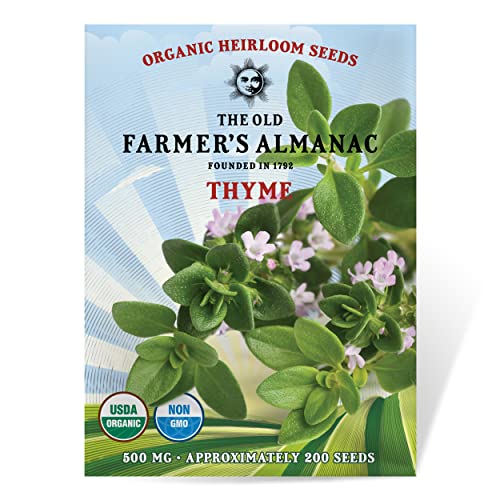
Certified Organic, Open-Pollinated: This English thyme seed packet is non-GMO and open-pollinated, intended to provide reliable germination and a sustainable harvest. The seeds are packed for the current growing season and are well-suited for kitchen gardens seeking classic thyme leaves with deep fragrance.
Garden Fit: Thyme attracts pollinators and helps with pest management when grown near vegetables. It thrives in sunlit areas with well-drained soil and tolerates drought once established, making it a practical addition to herb borders and patio pots.
Winter Thyme Seeds

High Germination and Versatility: Winter thyme seeds offer robust germination and a reliable supply of thyme leaves for culinary uses and seasoning blends. They are non-GMO and suited for outdoor and indoor herb gardens, supporting year-round harvesting in favorable climates.
Planting Guidance: Sow in well-drained soil with plenty of sun. Space plants to allow airflow and prune after flowering to maintain compact growth. The herb pairs well with other perennials in herb gardens and containers for a continuous harvest cycle.
Buying Guide: Key Purchase Considerations
- Seed type and variety: Choose thyme varieties that match your climate, whether you want lemon notes, classic English thyme, or ground-cover thyme for pathways.
- Germination rate and openness: Organic and non-GMO seeds often provide reliable germination; open-pollenated options may offer broader resilience and adaptation.
- Growing conditions: Thyme thrives in full sun and well-drained soil. Consider drought tolerance and whether you prefer potted plants, raised beds, or ground covers.
- Harvest timing: Some varieties produce usable leaves quickly, while others are better suited for late-season harvesting or continuous trimming.
- Culinary versatility: Lemon thyme offers a bright citrus note, while English thyme provides a classic savory profile. Select based on intended recipes and flavor goals.
- Maintenance: Thyme generally requires minimal care but benefits from regular pruning. Container growing can simplify space management and keep herbs close at hand for cooking.
- Certification and sustainability: Organic certifications and non-GMO labels can influence growing practices and long-term garden health.
- Garden design: Consider whether thyme will act as a border, ground cover, or culinary hedge, influencing planting density and spacing.
Choosing the right thyme seeds involves balancing aroma, growth habit, and garden space. The selections above offer a range of flavors and growing styles to suit American backyard gardens, patios, and indoor herb setups.