Eyes are a crucial focus for health education, classroom learning, and clinical training. This article presents a curated set of eye health and anatomy posters that help explain eye structure, common diseases, and hygiene practices related to eye safety. Each selection emphasizes durability, readability, and relevance for learners of all ages. Use these posters to reinforce instruction on eye care, encourage proper hygiene, and support medical or optometry training. The list includes laminated anatomy charts, disease-focused posters, and practical hygiene reminders to complement eye wash instructions. Below is a quick summary of the featured products.
| Product | Brand | Size | Main Benefit |
|---|---|---|---|
| Palace Learning LAMINATED Eye Anatomical Poster | Palace Learning | 18″ x 24″ | Durable, tear resistant, easy-to-read anatomy |
| 3B Scientific VR1231L Eye Diseases Poster | 3B Scientific | 20″ x 26″ | Comprehensive diseases coverage, glossy laminated |
| The Eye Anatomical Chart (Anatomy Stuff) | Anatomy Stuff | Unknown | Cross sections, visual field, multiple views |
| Blue Tree Publishing Eye Anatomical Chart Poster | Blue Tree Publishing | 24″ x 36″ | Includes 8 eye disorders, dry erase capable |
| What’s on Your Hands? Hygiene Poster | ToucanEd | 11″ x 17″ | Promotes handwashing to prevent eye infection spread |
Palace Learning Eye Anatomical Poster
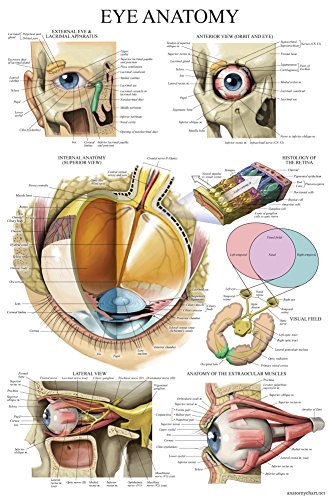
The Palace Learning Eye Anatomical Poster provides a clear, readable depiction of the human eye designed for classroom and clinic use. It is laminated with a 3 mil thickness for durability and water resistance, ensuring it stands up to frequent handling in busy learning environments. The poster emphasizes legible typography to support quick recognition of eye components, making it suitable for introductory anatomy lessons and patient education. Its high-quality finish aids in long-term display without significant wear.
Key features include: high-quality lamination, tear resistance, waterproof construction, and easy-to-read fonts. This poster functions well as a core reference for students studying ocular anatomy or professionals reviewing eye structure during demonstrations.
What’s on Your Hands? Hygiene Poster
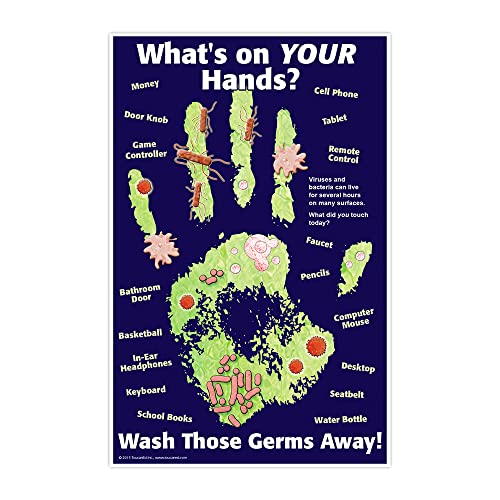
This hygiene poster emphasizes preventing the spread of disease by encouraging proper handwashing. While not an eye-specific poster, it supports eye health by teaching learners to remove pathogens that can cause conjunctivitis and other infections. The design uses attention-grabbing imagery to highlight surfaces and steps for washing hands, making it suitable for classrooms, clinics, and after-school programs. The poster is ideal as part of an eye safety station where hygiene complements visual health education.
3B Scientific VR1231L Eye Diseases Poster

This vivid, laminated poster from 3B Scientific covers multiple eye diseases with clear diagrams designed for medical education. The glossy finish and durable lamination help it withstand classroom use and patient education demonstrations. Learners gain a concise overview of conditions affecting the eye, aiding in early recognition and discussion of symptoms, treatments, and prognosis. This poster is especially suitable for optometry classrooms, ophthalmology departments, and health education centers.
Blue Tree Publishing Eye Anatomical Chart Poster

This 24-by-36 inch eye anatomy poster from Blue Tree Publishing targets a broad audience with a durable plastic surface for easy cleaning. It includes eight eye disorders to help learners recognize and differentiate common conditions. The poster’s large format supports group instruction and wall displays in classrooms or clinics, with a dry-erase capable surface for ongoing annotations and updates as students study.
Www.LashSupply.Store Aftercare Cards
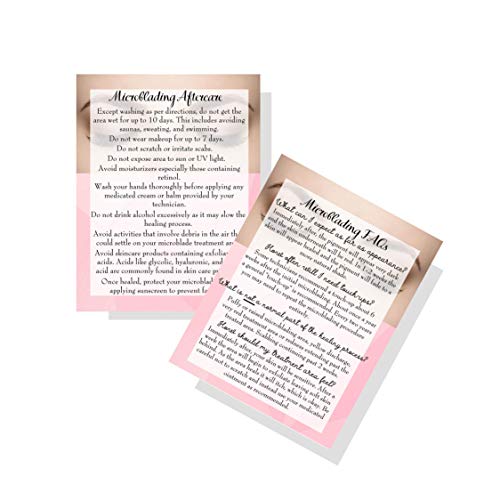
While not a traditional eye anatomy poster, these aftercare instructions cards provide concise microblading guidance. For clinics and schools teaching eye-related procedures, these cards help communicate aftercare steps to clients, reinforcing safety and hygiene practices that indirectly protect ocular health during cosmetic procedures. The double-sided layout and compact size make them practical as supplemental teaching aids or patient handouts.
Buying Guide
Choosing the right eye health posters involves considering audience, setting, and durability. Here are key purchase considerations from multiple perspectives.
- Accuracy and scope: Select posters that clearly illustrate eye anatomy or diseases relevant to your curriculum or patient education needs. Consider whether you need cross sections, adjacent anatomy (orbit, tear ducts), or functional visuals (visual field).
- Durability: Laminated or plastic-coated surfaces resist wear in busy classrooms and clinics. For high-traffic areas, choose thick lamination and tear-resistant materials that are easy to clean.
- Readability: Look for posters with legible typography, appropriate contrast, and clearly labeled components. Larger formats (like 24″ x 36″) are ideal for group demonstrations, while smaller sizes fit patient areas or exam rooms.
- Ease of use: Posters that can be easily annotated with dry-erase markers or notes help educators tailor lessons. Consider whether the surface supports reusability without fading.
- Clinical relevance: For clinics, prioritize posters that cover common eye conditions, diagnostic concepts, and patient education points. Compatibility with teaching aids and hands-on demonstrations adds value.
- Hygiene integration: Eye safety is linked to hygiene. Posters that promote handwashing and infection prevention complement eye wash instructions, reducing risk of conjunctivitis and other infections.
- Versatility: Some posters serve multiple roles—anatomy reference, disease overview, or patient education. A mix of formats can cover foundational knowledge and clinical detail.
- Size and display space: Ensure you have wall space for larger posters and a secure mounting method. For smaller rooms, multiple smaller posters can create a comprehensive eye health display.
- Accessibility: Clear visuals benefit diverse learners. Posters with simple captions, color-coded structures, and universal terminology improve comprehension for students with different backgrounds.
In sum, the recommended selections provide a balance of durable anatomy references, disease-oriented perspectives, and hygiene reminders that collectively support eye health education. When integrated with eye wash instructions posters, they offer a broader, practical approach to ocular safety and learning.