Choosing the right dark red dye can transform clothing, decor textiles, and craft projects with deep, lasting tones. This guide features top Rit options and compatible dyes that deliver vibrant crimson, burgundy, and racing-red results. Each product is evaluated for ease of use, fabric compatibility, and color durability to help you select the ideal dye for a wide range of materials.
| Product | Brand | Color | Material Compatibility |
|---|---|---|---|
| Rit All Purpose Liquid Dye – Cherry Red | Rit | Cherry Red | Cotton, Linen, Silk, Wool, Rayon, Nylon, and more |
| Rit Cherry Red – Rojo Cereza | Rit | Cherry Red | Fabric blends, wood, wicker, paper, cork |
| Rit Dye – Liquid Fabric Dye for Crafting – Scarlet Red | Craft County | Scarlet Red | Fabric, clothing, decor; includes gloves |
| All Purpose Concentrated Rit Dye Powder – Wine | Rit | Wine | Clothing, décor, crafts (powder form) |
| Rit DyeMore Synthetic – Racing Red | Rit | Racing Red | Polyester, acrylic, acetate; synthetic fabrics |
The products above span liquid, powder, and synthetic-friendly dyes, offering options for natural fibers as well as blends and synthetics. They support techniques from traditional immersion dyeing to tie-dye, dip-dye, and custom patterns. Consider fabric type, desired shade, and whether you want a single-project dye or a versatile dye for ongoing crafts when selecting a dye.
Rit All Purpose Liquid Dye – Cherry Red

This 8-ounce bottle is designed for broad fabric compatibility, including wood and plastics in some cases, making it a versatile option for color projects. The cherry red shade provides a bold, classic red result suitable for shirts, scarves, and home textiles. Use hot water and a small amount of detergent for best dye uptake, and submerge the fabric until the desired depth of color is achieved. The liquid format supports easy stirring and thorough saturation for even results.
Pros include straightforward usage, broad material compatibility, and a vibrant cherry tone that remains visible after washing. Potential considerations are selecting the right water temperature for different fabrics and ensuring you test on a swatch before committing large items. Gloves are recommended to protect skin during the dyeing process.
Rit Cherry Red – Rojo Cereza

This all-purpose liquid dye offers a versatile cherry-red tone suitable for a wide range of fabrics and even non-cloth materials like wood or cork. It’s designed to deliver consistent color across cotton, linen, silk, wool, rayon, ramie, and nylon, with the option to explore creative dyeing techniques such as ice dye or tie-dye for distinctive patterns. The dye can rejuvenate faded garments or completely transform a piece to coordinate with other decor items.
Strengths include robust color payoff and flexibility across fabric types. It is well-suited for beginners and experienced dyers alike. For best results, pre-wet fabrics, heat-set where appropriate, and ensure thorough rinsing to remove excess dye. As with any dye, test color on a small area first to anticipate shade shifts on different fibers.
Rit Dye – Liquid Fabric Dye Scarlet Red

Craft County’s Scarlet Red liquid dye is marketed for crafting, clothing, and decor, with gloves included for easier handling. The process is simple: dissolve the dye in hot water, add a splash of detergent, and immerse fabric until the color reaches the desired shade. This option emphasizes user-friendly operation and a broad color range, supporting creative projects like tie-dye, marbling, or shibori. It’s a practical choice for quick wardrobe refreshes or home textile updates.
Notes include ensuring fabric compatibility—natural fibers typically yield richer hues, while blends may yield toned-down results. Always perform a color test, and consider adding salt or vinegar based on the dye instructions to optimize color absorption on specific fabrics. The included gloves reduce handling mess and improve comfort during dyeing.
Rit Dye – Powder Wine (All Purpose Concentrated)
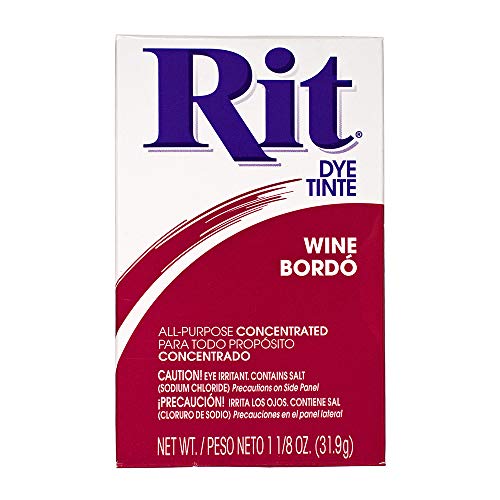
This concentrated powder provides a versatile option for dyeing clothes, decor items, and crafts. The powder form can be more economical for larger projects and allows precise control over color saturation. It’s suitable for a range of fabrics and supports diverse dyeing techniques, including tie-dye and dip-dye. Because it’s a concentrated powder, users may need to experiment with dilution to reach the exact wine shade desired on their fabric.
Considerations include measuring accuracy, potential residue, and full dissolution before fabric immersion. Powder dyes can be effective for larger batches, but mixing time and temperature must be carefully managed to achieve even color distribution across all items.
Rit DyeMore Synthetic – Racing Red

Rit DyeMore is designed for synthetic fabrics such as polyester, acrylic, and acetate, offering a dedicated option for non-natural textiles. Racing Red yields a bold, vivid red on synthetic fibers, making it ideal for sports jerseys, activewear, and decorative accents on synthetic items. The dye typically requires heat setting and careful temperature control to prevent color pooling or uneven saturation. As with all dyes, pre-washing, testing on a scrap, and following package instructions are key steps for consistent results.
Strengths include strong performance on synthetics and a bright red tone that remains vibrant after washing. Potential limitations include the need for precise heat management and the possibility of less color payoff on pure natural fibers compared to all-natural dyes.
Buying Guide: Key Purchase Considerations
- Fabric type: Natural fibers (cotton, linen, silk, wool) typically take dyes more evenly and vividly, while synthetics may require DyeMore or higher heat settings for best results.
- Shade control: Liquid dyes offer quick saturation and easy testing; powders can be economical for large projects but require careful dissolution.
- Colorfastness and care: Check dye instructions for washing and heat-setting steps. Some dyes require post-dye heating or setting to lock color.
- Pattern versatility: If you plan multiple techniques (tie-dye, ice dye, dip-dye), choose dyes labeled for broad technique compatibility and easy color blending.
- Safety and handling: Gloves, ventilation, and following disposal guidelines are important, especially when working with strong dyes on dark fabrics.
- Maintenance: Plan for pre-washing fabrics and testing swatches to prevent unexpected color transfer to other items.
- Environment and sustainability: Consider concentrated powders for less packaging waste, and follow reusable dye methods when possible.
In summary, dark red dyes offer a spectrum of options—from cherry and scarlet to wine and racing red—tailored to different fabrics and projects. Whether refreshing a favorite t-shirt, reviving vintage linens, or crafting bold decor, selecting the right dye involves matching fabric type, desired shade, and technique to achieve consistent, durable results.